In its heyday, Vähäkyrö produced nearly a million kilos of meat for sale in the course of a single winter.
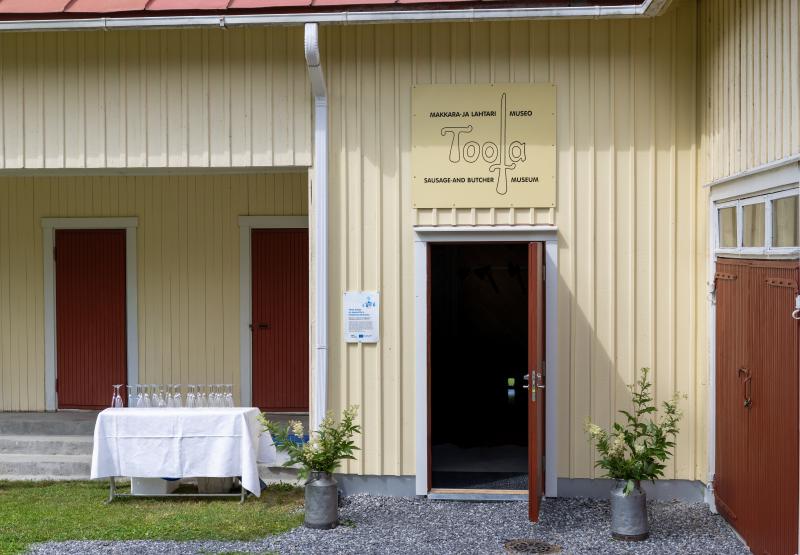
Discover the Toola Museum of Slaughtering and Sausage Making in the Kirkonmäki cultural area of Vähäkyrö and delve into the fascinating history of one of the area’s most important traditional livelihoods. This fascinating museum tells the story of a profession that played a crucial role in Vähäkyrö’s growing prosperity, employment and reputation in the 19th and 20th centuries.
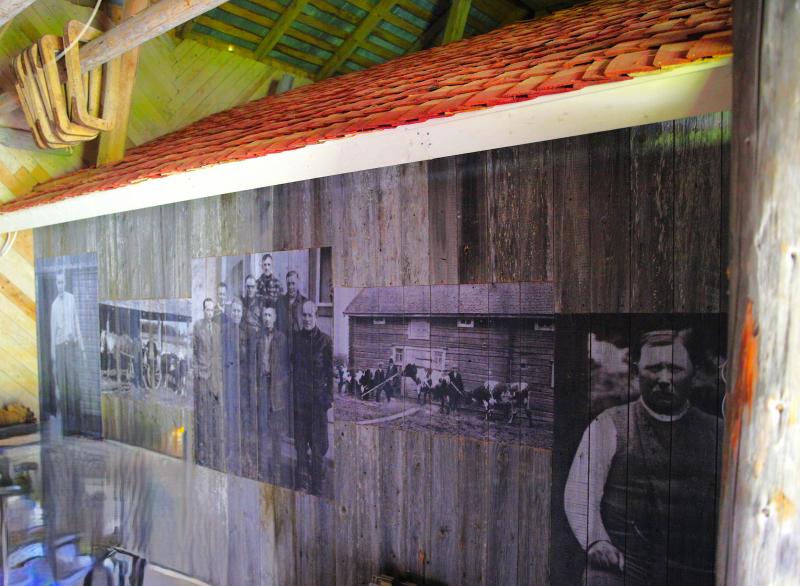
In Vähäkyrö, as elsewhere in rural Finland, families traditionally slaughtered animals at home for their own needs as part of everyday life. By the late 19th century, growing demand for meat had transformed livestock trading and slaughtering into a thriving local industry. The area was home to many livestock buyers, dealers, and butchers. The trade attracted both men and women and, at its peak, employed more than 100 people in Vähäkyrö.
Beyond the domestic market, Vähäkyrö supplied meat to Sweden and Estonia, and as far away as St Petersburg. In the trade’s heyday, nearly a million kilos of meat were supplied for sale in a single winter. Slaughtering and livestock trading were a major part of the local economy and played an important role in Vähäkyrö’s development.
The early 20th century saw a new chapter begin, with several small sausage factories, or workshops, opening in the area. The first sausage factory was founded by a well-known local butcher Tuomas Lahti. From 1904 to 1948, Vähäkyrö was home to several sausage factories, which processed local produce and provided work for hundreds of people. They even attracted workers from further afield in Ostrobothnia and South Ostrobothnia.
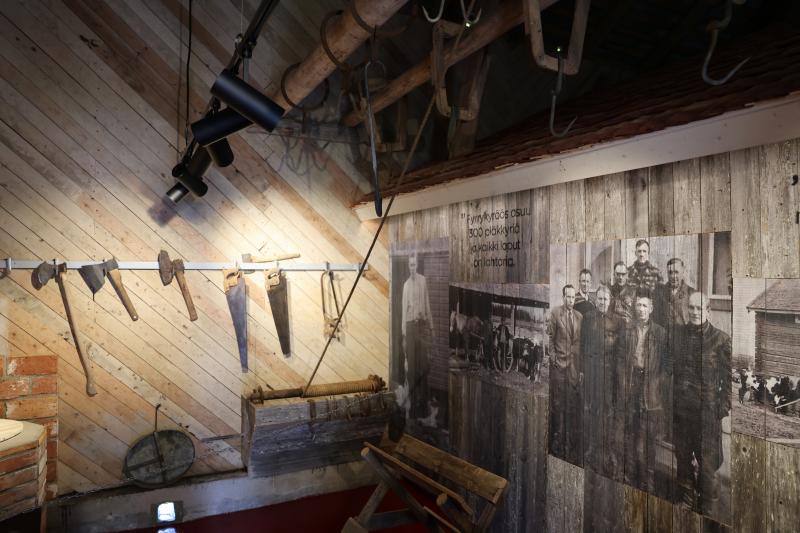
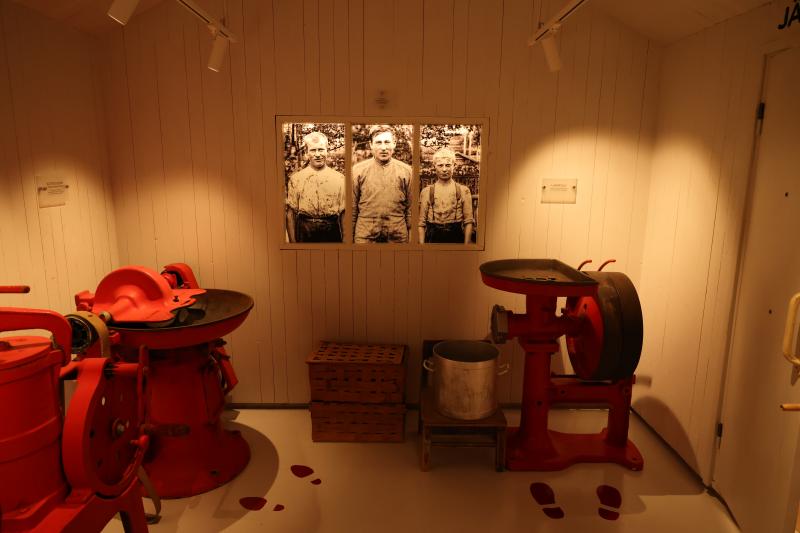
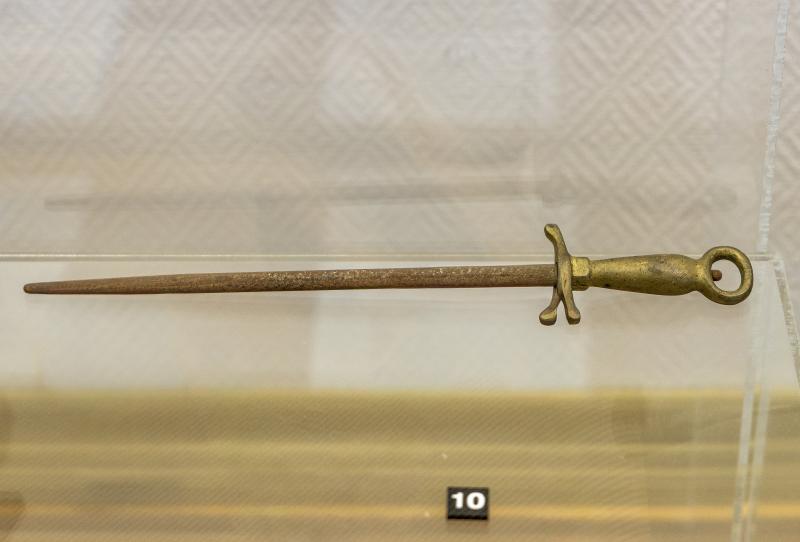
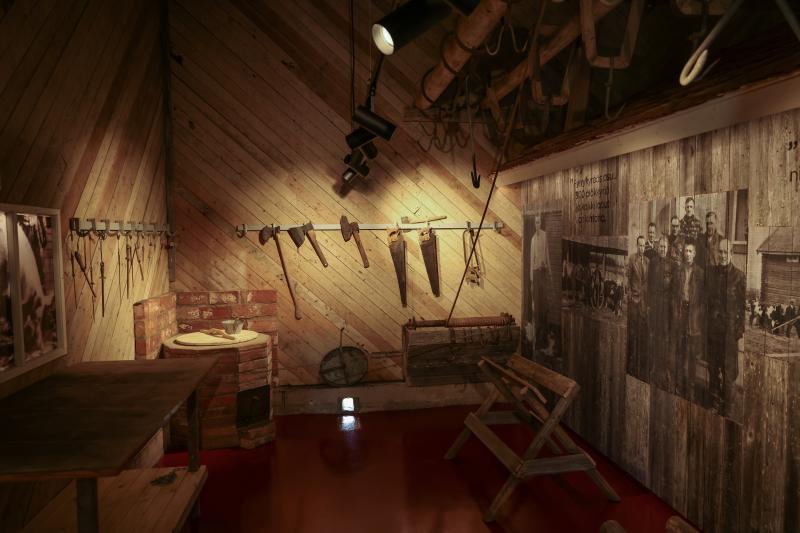
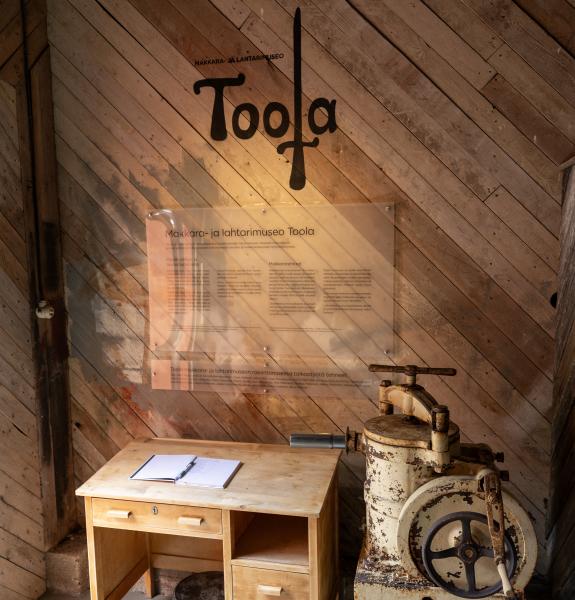
At the museum, you can explore an authentic slaughterhouse workspace, complete with its original tools, as well as a traditional sausage-making workshop with its original machinery and equipment. Among the exhibits are meat grinders, sausage stuffers, an ice-cooled cold store, a shop and an oven for smoking and cooking sausages. The exhibits and layout bring to life the different stages of meat processing and the industry’s importance to the local community.
The exhibition also offers plenty to discover for younger visitors. The sounds of farm animals drift in from the pasture, while animal figures among the roof beams add an element of surprise and bring the exhibition to life.
Architecture, art, and design studio Partanen & Lamusuo Oy designed the museum as a whole and created the media artwork for the exhibition.
The slaughterhouse structures and exhibits were donated by Seija Taivainen, Pentti Haanpää and Esko Haanpää. Kyrön Makkara Tmi and Jorma Haapanen donated the machinery for the sausage-making workshop. The meat grinder on display at the museum and one of the sausage stuffers originally belonged to T. Lahti’s sausage factory.
Guided tours for groups, available by prior arrangement, offer a deeper insight into Vähäkyrö’s unique meat industry heritage and bring the stories behind the exhibits to life.
The Museum of Slaughtering and Sausage Making was created by Vähäkyrö-Seura ry with funding from the ELY Centre.