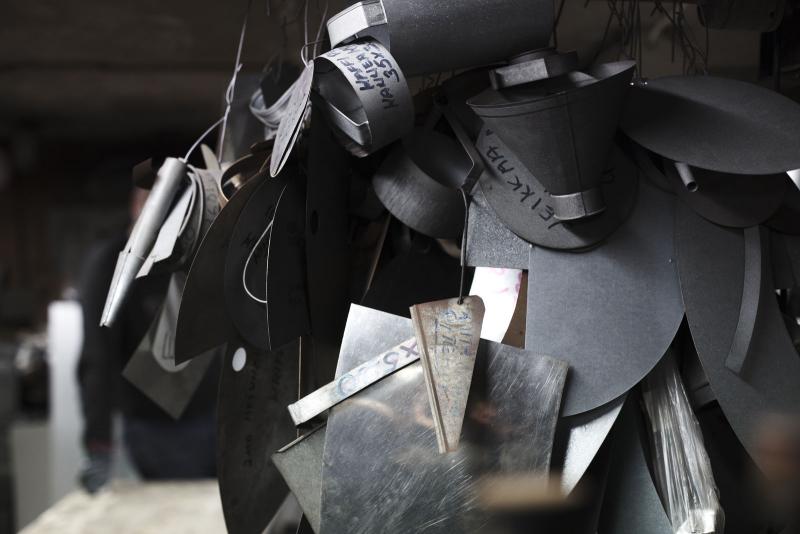
The cone-shaped lanterns typical of Lillkyro were originally used as skirt warmers in church. The lantern was placed under the skirt for the duration of the service.
Explore the Fyrry – Tinsmith Museum and the old craft traditions in the cultural area of Kyrkbacken (Church Hill) in Lillkyro. Experience an authentic atmosphere in a museum created with great care and dedication.
The museum was designed by Partanen & Lamusuo Oy, whose previous projects have received awards such as Museum of the Year. Under their leadership, the 30-year-old Fyrry Tinsmith Museum—relocated from Tervajoki to the centre of Lillkyro—has been brought into the 2020s. The renewed museum celebrates the unique tinsmith culture in an engaging and experiential way.
The tinsmith tradition in Lillkyro has deep historical roots and is well known throughout Ostrobothnia. At the Fyrry Tinsmith Museum, old craft traditions come to life. Visitors can see how metal objects are made and which tools are used in the process. With a bit of luck, you may even see a genuine tinsmith at work.
History and Collections
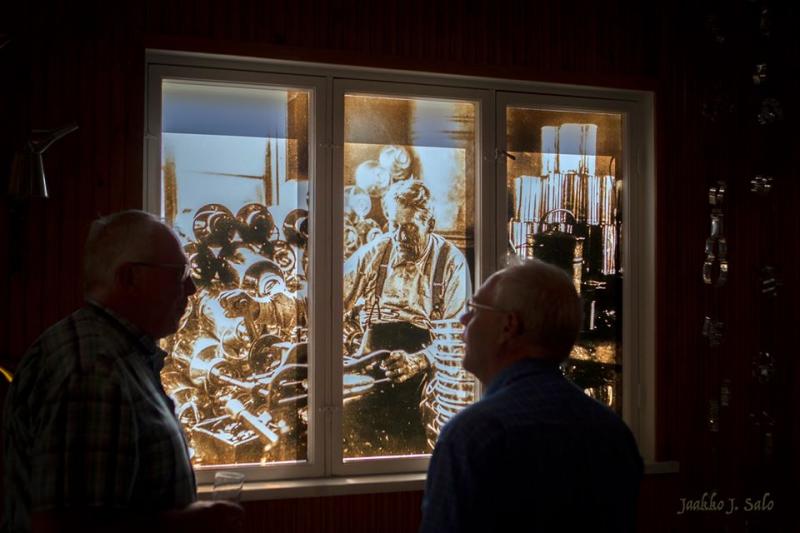
The tinsmith tradition in Lillkyro dates back to the 18th century. Tinsmithing was introduced to Finland from Germany in the early 1700s, shortly after large tin deposits were discovered in England. In the 1890s, there were 35 tinsmiths in the parish of Lillkyro, and a few decades later the number had grown to 100. Most of them were crofters or farmhands who had grown tired of agricultural work. As late as the 1950s, at least one fully loaded railway wagon of tinsmith products departed from Tervajoki station every week.
Sheet metal (tinplate) was imported from abroad. During and after the Second World War, materials were scarce, so tinsmiths made use of sheet-metal roofs from outbuildings and metal parts from discarded gas masks.
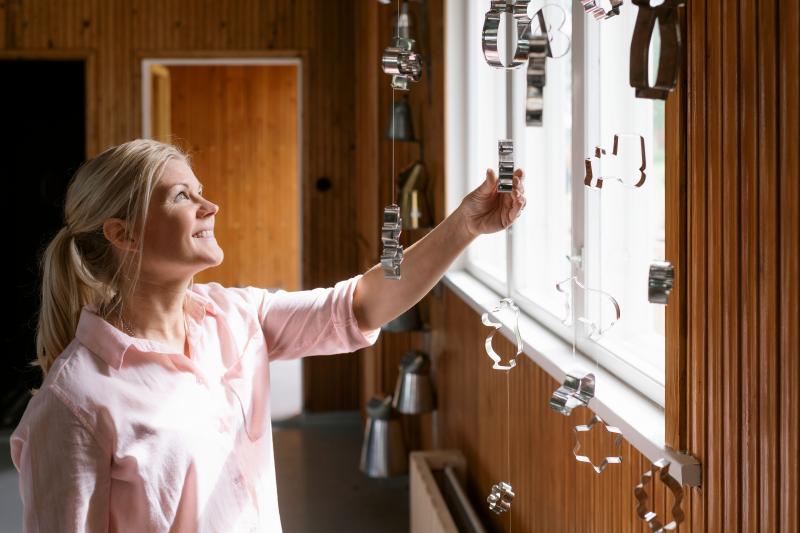
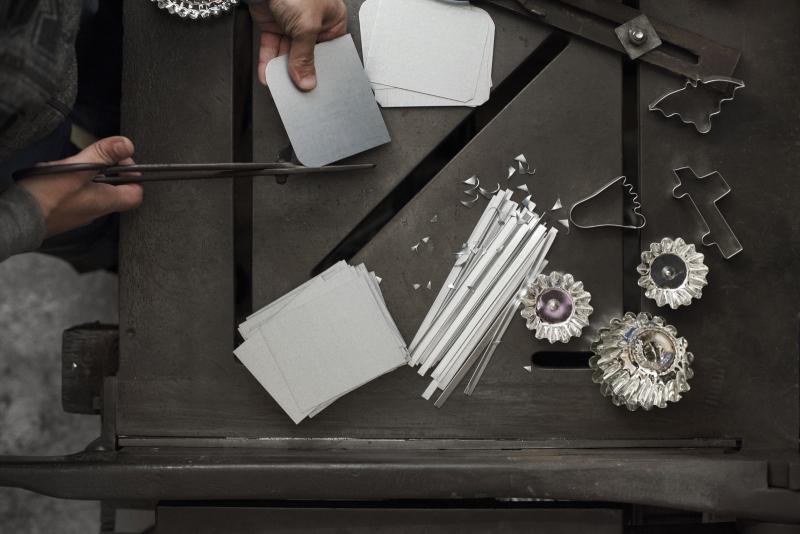
Tinsmithing skills were typically passed down from father to son over several generations. A characteristic product of Lillkyro is the “fyrry”, a toy whose wheel spins when you blow through a tube. It comes in five different sizes. Among the museum’s nearly 200 items are traditional tin products such as mugs, lanterns, hip flasks and jugs, as well as newer utilitarian and decorative objects, including custom-made gingerbread moulds.
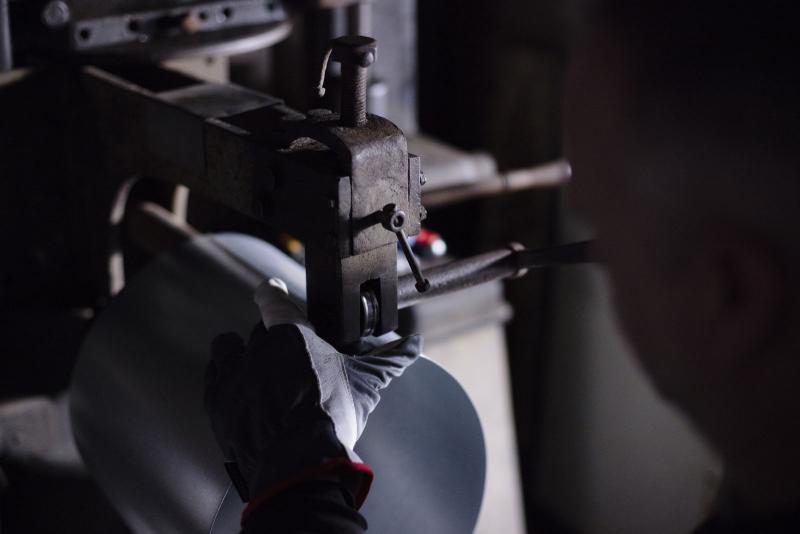
The museum houses tools and machines over a hundred years old, once used by tinsmiths to work metal. For shaping round mugs and vessels, for example, a unique metal-bending machine is required. Work demonstrations can be arranged by request.
(Photos: Jaakko J. Salo, Suvi Aho, Helena Alanen)